Call Us
  Schedule Consultation





Newport Beach plastic surgeon, Dr. Joseph T. Cruise is a leading in gynecomastia specialist performing over 250 surgeries male breast reduction surgeries each year.
Joseph T Cruise, MD is dedicated to the specialization of gynecomastia and is considered one of the top 5 gynecomastia surgeons in the United States. Joseph T Cruise, MD and his Orange County staff have developed this comprehensive gynecomastia section as a resource for men looking for information about our Orange County gynecomastia surgery to correct their condition, giving them the ideal male chest they desire. Additionally, Joseph T Cruise, MD wants to ensure that you have all the information you need in order to make a decision that will achieve your goals and eliminate your concerns.

More than 15 years specializing in gynecomastia
Joseph T Cruise, MD is one of only a handful of plastic surgeons in the United States who specializes in male breast reduction surgery. Having more than 10 years of experience, Joseph T Cruise, MD has become a leader in the treatment of gynecomastia. He uses advanced surgical techniques not found elsewhere.
More than 250 surgeries each year
As one of the most sought out gynecomastia surgeons in the word, Joseph T Cruise, MD is performing over 250 male breast reduction surgeries each year. The vast amount experience he has treating gynecomastia, has contributed to his ability to provide consistent predictable results. He has also mastered the patient experience when surgery is performed in-office under local anesthesia, which most are.








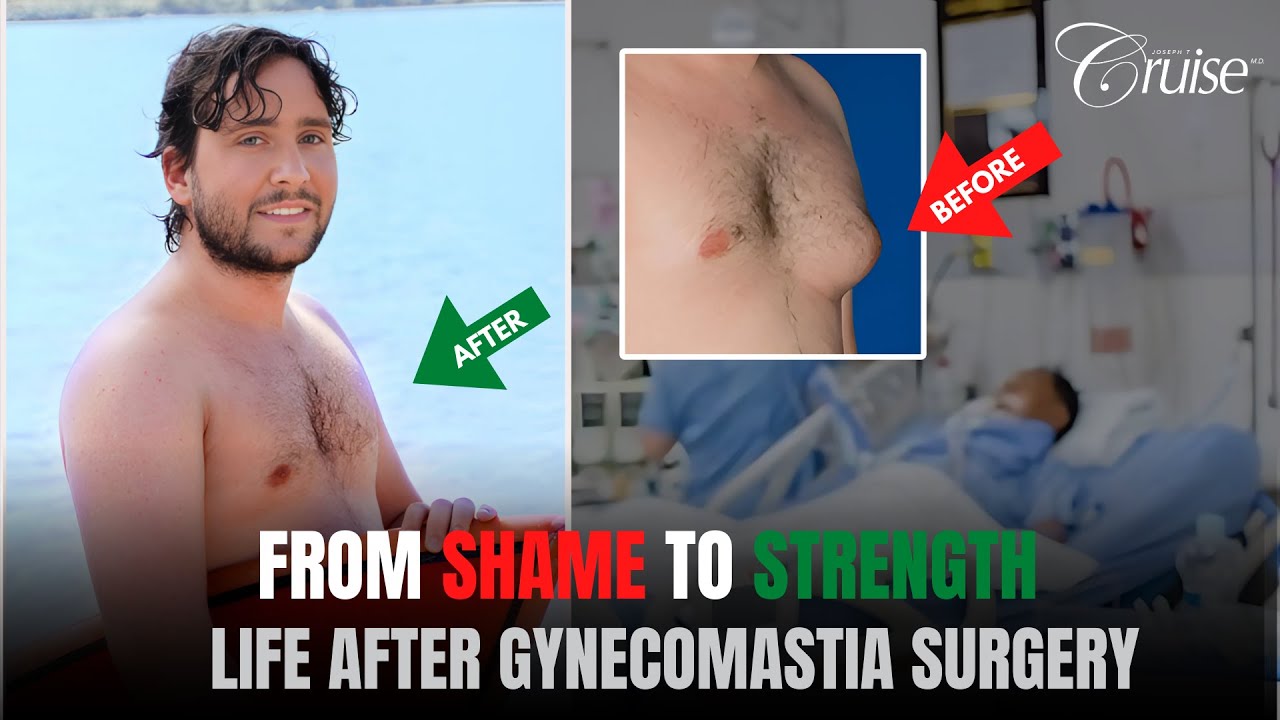


Men suffering with gynecomastia are unique in comparison to those pursing other types of cosmetic procedures. For many, gynecomastia is a humiliating condition, which negatively impacts all areas of their lives. Joseph T Cruise, MD understands not only the physical aspect of the condition, but he deeply understands the emotional aspect as well. He knows just how much gynecomastia surgery in Orange County can improve his patient's lives, and, for this reason, he has dedicated a large portion of his practice to male breast reduction surgery. Joseph T Cruise, MD has also surrounded himself with some of the best support staff in the industry who are not only knowledgable, but compassionate and skilled in their respective positions.
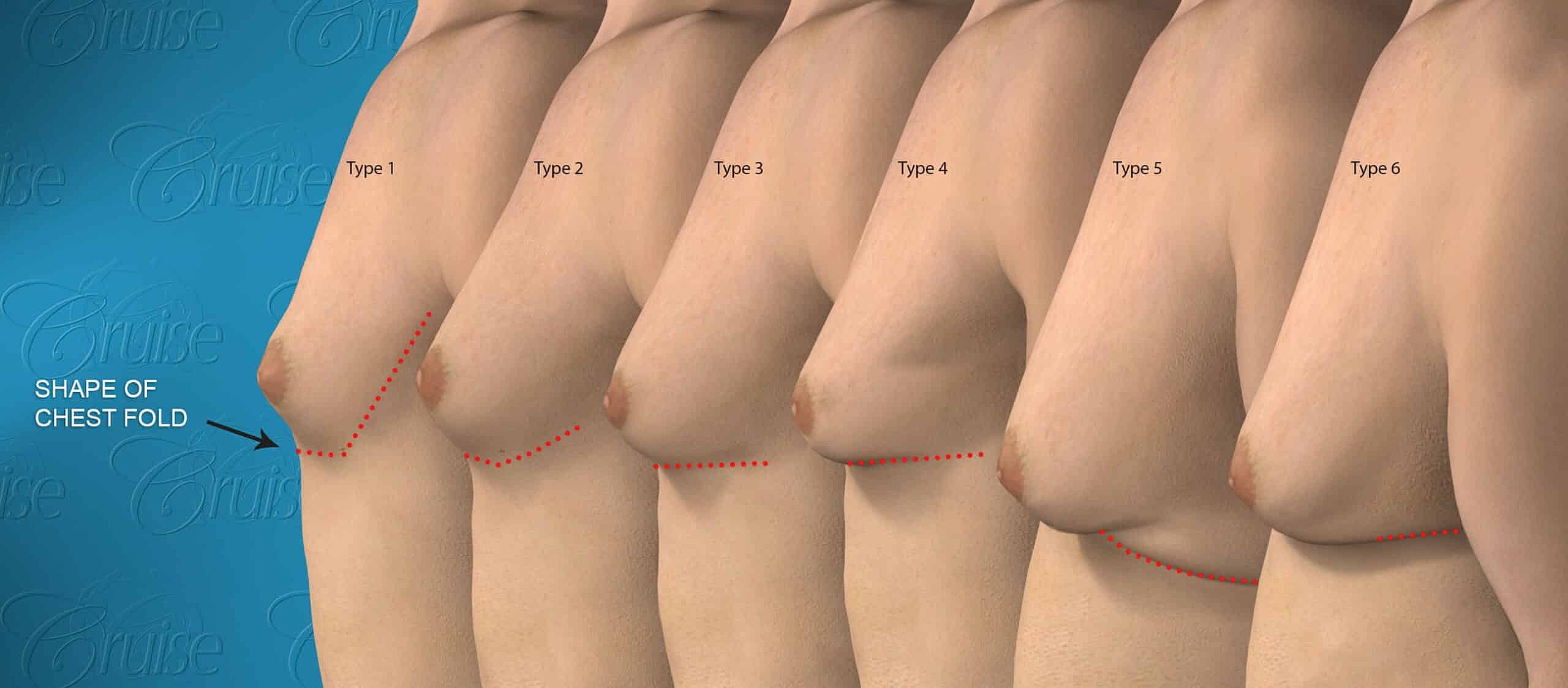
Joseph T Cruise, MD created the Cruise Classification System as a way of specifically diagraming each type of gynecomastia, along with the recommended treatment plan for each. This classification system is the first of its kind.
Joseph T Cruise, MD and his team pride themselves on providing the highest level of patient safety and care throughout their surgical journey.
Surgery performed under general anesthesia is done so in a fully accredited outpatient surgical center with board certified anesthesiologists who are experienced with gynecomastia surgery. A large majority of the male breast reduction surgeries Joseph T Cruise, MD performs are done so in-office under local anesthesia. Joseph T Cruise, MD has perfected his local anesthesia surgeries ensuring his patients are comfortable and have the best experience possible.

Our photo gallery displays a large variety of male breast reduction before/after pictures representing every type of gynecomastia.
1 of 160
Joseph T Cruise, MD developed the Cruise Classification System as a way of diagraming each type of gynecomastia, along with his recommended treatment plan for each. Look at the diagram below to find the type which represents you. Click on the type for information about the treatment, healing process, cost and more.
Notice the progressive increase in skin laxity. This excess skin will change the type of surgery necessary to properly correct the problem.
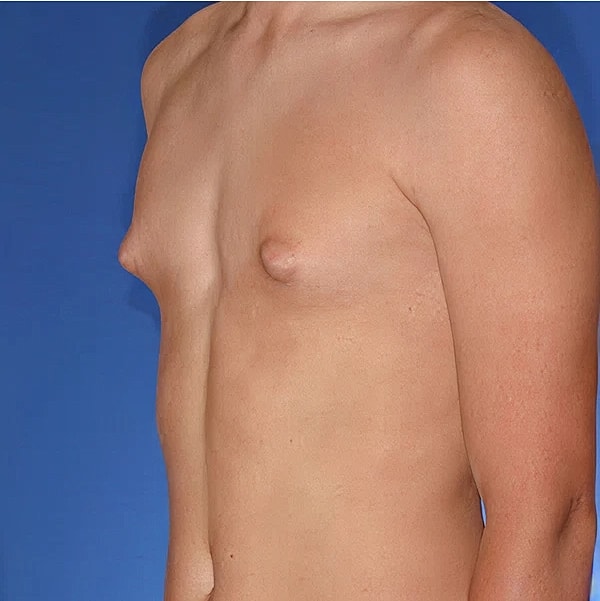
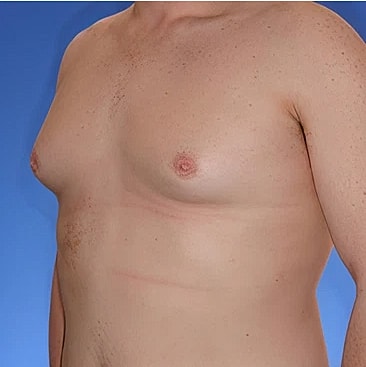
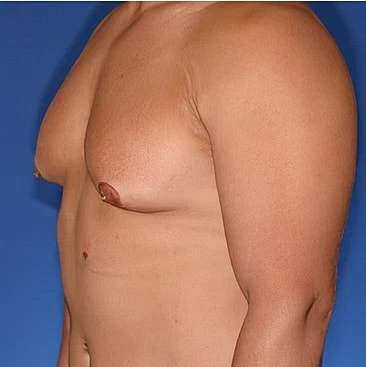
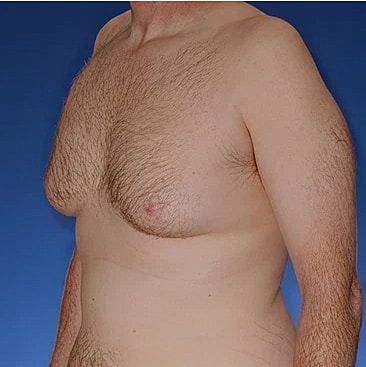
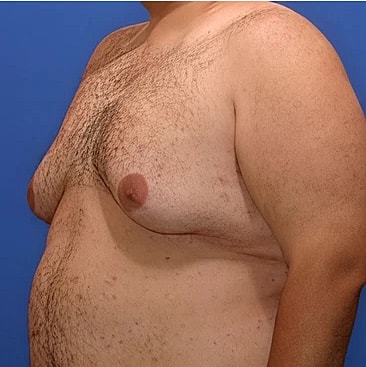
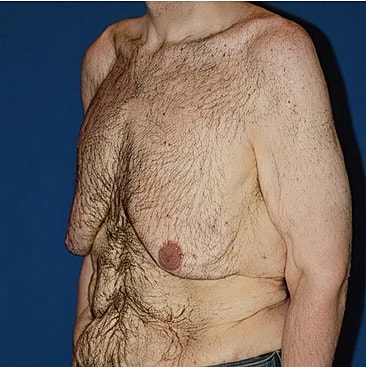

Gynecomastia, a.k.a gyne, gyno, or man boobs, is the condition where male breasts become enlarged, either because of excess breast tissue or excess fat.
All men have breast tissue. It is the same tissue as women, but typically in lesser amounts. Men afflicted by gynecomastia have breast tissue that grows considerably, typically under the nipple and areola. Breast tissue is harder to the touch than breast fat, and is described as being both firm and squishy, rather than flabby like breast fat. Gynecomastia is not as much about the condition as it is the humiliation and insecurity of having it.
Ideally, male breasts have toned muscles and are well defined, with nipples that point forward and follow a line from the shoulder to the waist which helps create the image of an ideal masculine triangular upper body. When the male breast becomes fatty and begins to sag, it will develop a crease underneath with a fold of tissue over it, nipples that point downward, and excess chest volume – all of which are more similar to the female breast shape than the ideal male chest.


“Many men who suffer from gynecomastia do not seek treatment mostly because they do not know a surgeon whom they can trust. If they knew of a place to go dedicated to gynecomastia; a place where they could get predictably good results often under local anesthesia, most would have it taken care of.” Joseph T Cruise, MD

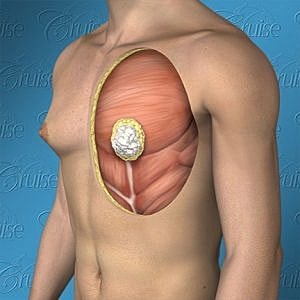
Puffy Nipple is one of the most common types of gynecomastia. The "puffy" appearance is caused by an excess amount of breast tissue underneath the nipple and areola that pushes the nipple outward and makes it overly visible, especially in thin shirts. There is typically very little fat (shown in yellow) contributing to the problem, unlike with classic and fatty gyne.
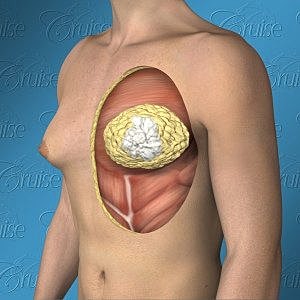
Classic gynecomastia is the most common type of gynecomastia. This is when the enlarged breast is caused by a combination of excess breast tissue and an excess of fatty tissue. In most cases, the excess breast tissue is located under the nipple and it can be felt by pinching the area underneath the nipple. It will feel firm and a rubbery or squishy.
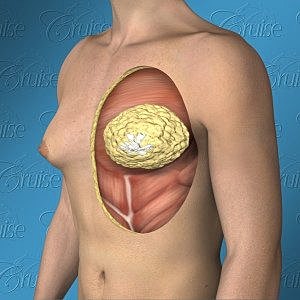
Fatty gynecomastia (a.k.a. Pseudo-gynecomasita) is characterized as being primarily made up of fatty tissue. In many cases, however, there is usually some mild component of breast tissue as well. Weight loss is usually the first course of action with this type of gyne.

Saggy Gynecomastia is defined by significant excess skin causing the areola and nipple to drop downward and sit on the lower portion of the chest. This type isn't as common because it usually occurs in patients who have experienced significant weight loss. Mild saggy gynecomastia will often times be seen in the aging male due to loss of skin elasticity and hormone changes.
Often, the exact cause of a person’s gynecomastia cannot be pinpointed. The causes can range from intake of medications, to genetic predisposition, to hormonal changes. In fact, it is not uncommon for healthy teenage boys, usually around 14 years old, to have this problem for 1 to 2 years while going through puberty.
While certain diseases and medications may be the cause, men with breasts should discuss this possibility, and perhaps undergo a physical exam, with their family doctor before considering cosmetic surgery to correct their concerns.
Some of medications and chemicals known to cause gynecomastia are: estrogens, digitalis, clomiphene, ketoconazole, metronidazole, cisplatin, spironolactone, cimetidine, isoniazid, methyldopa, tricyclic antidepressants, valium, heroin, and marijuana. Read more about steroid use and gynecomastia surgery.
If you have taken any of these medications, you may want to discuss your condition and your prescription with your physician.
Excess weight can cause detrimental hormonal imbalances, so you may consider a weight-loss treatment course to reduce the size of your chest and improve your health before considering surgery. You may also want to find out about the possibility of liver problems, as they can contribute to male breast enlargement as well.

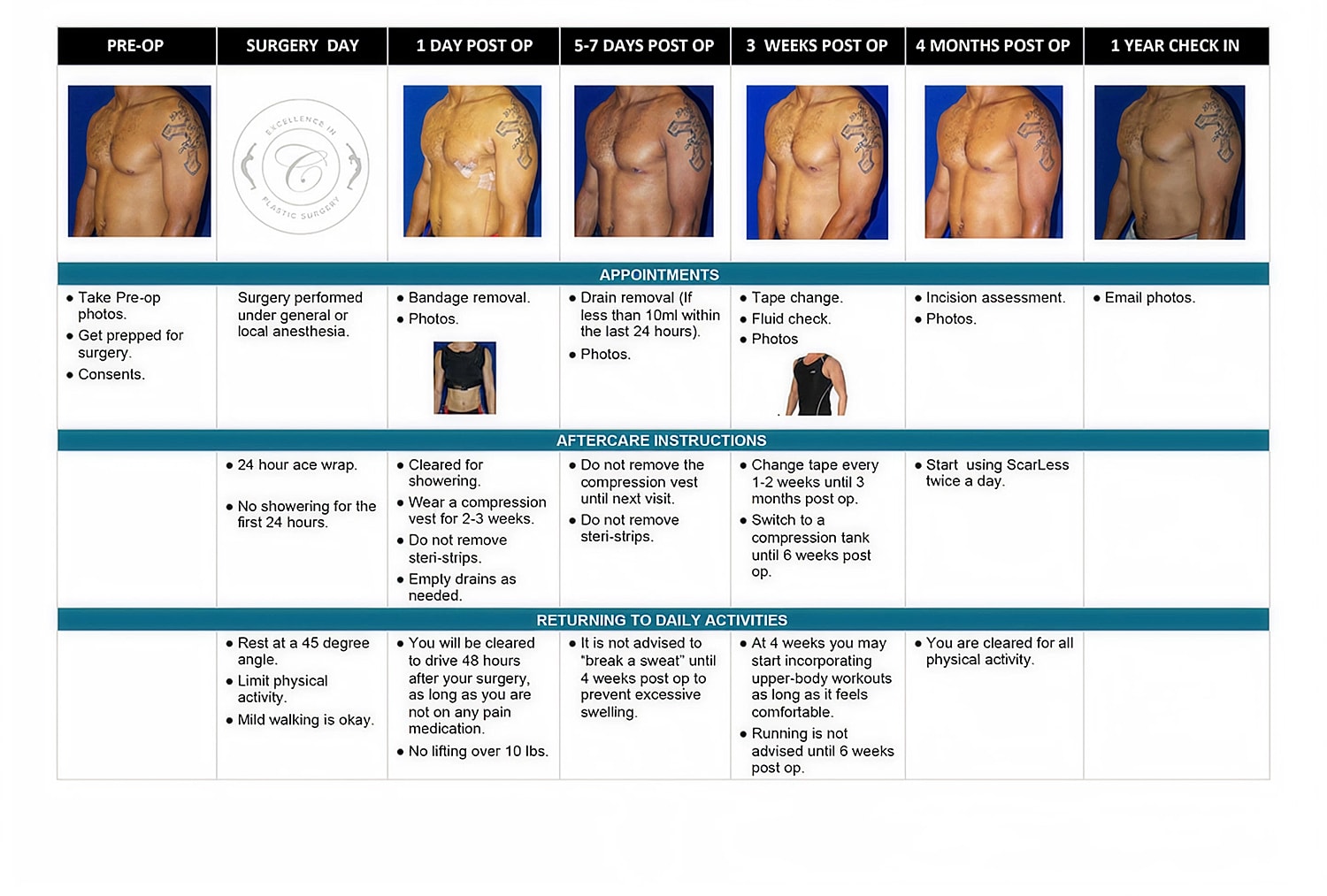
Recovering After Gynecomastia Surgery
"80% of your results come from surgery, 20% from aftercare"
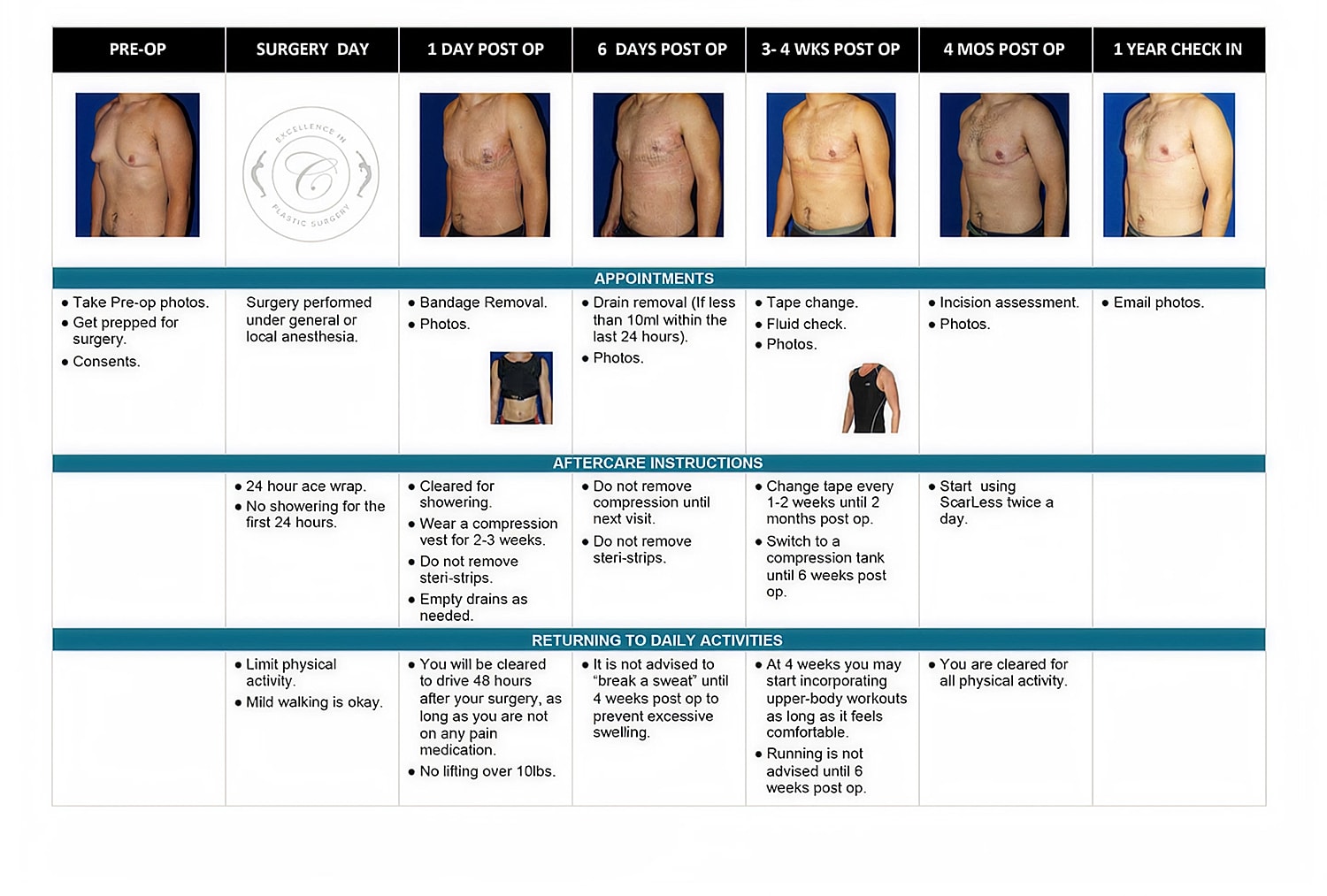
Recovering After Pedicle Gynecomastia Surgery
"80% of your results come from surgery, 20% from aftercare"
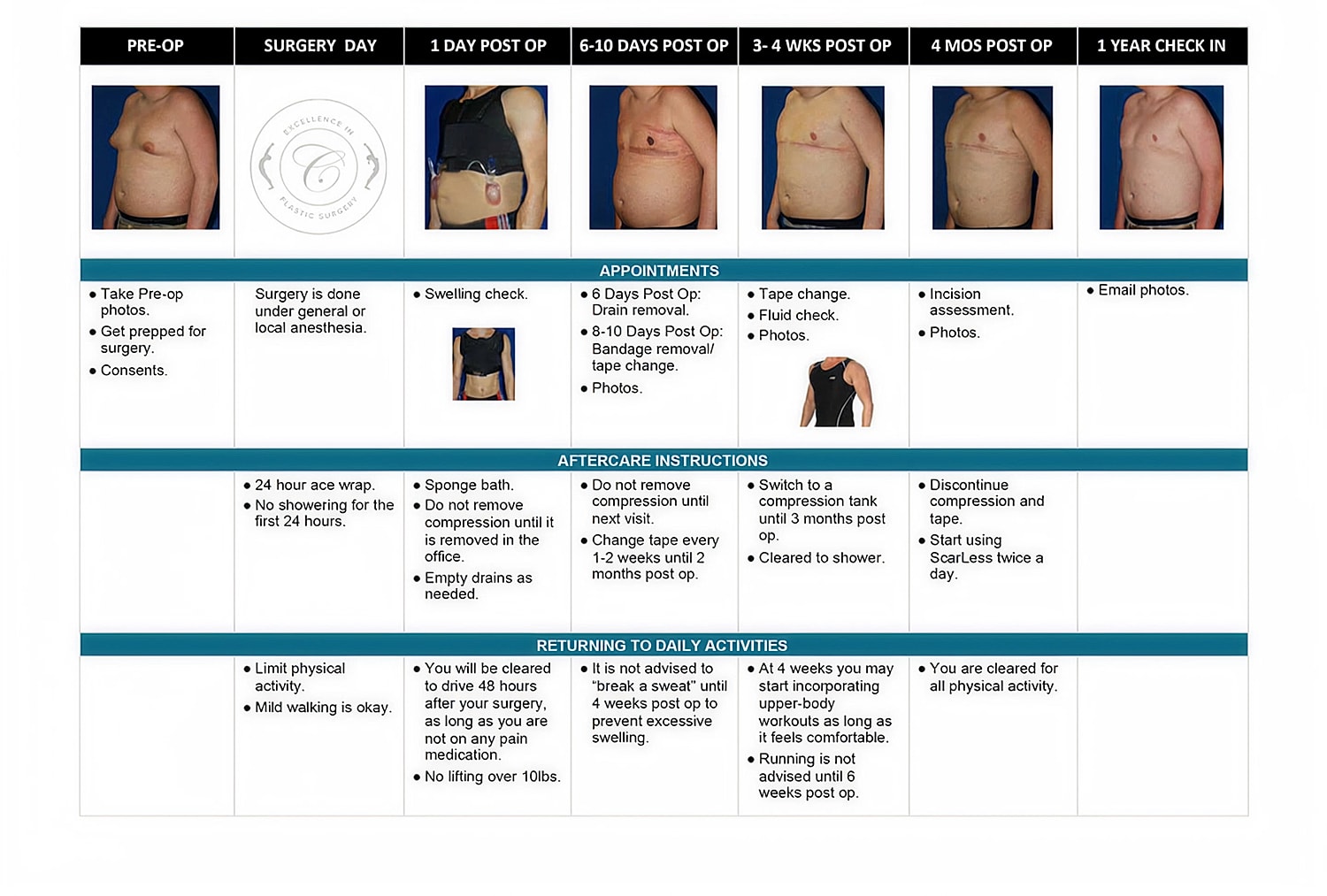
Recovering After Free Nipple Graft Surgery
"80% of your results come from surgery, 20% from aftercare"



No man needs to suffer with gynecomastia and enlarged male breasts. Joseph T Cruise, MD and the experienced staff in his Newport Beach office can provide you with all the information you need to determine if male breast reduction is the right fit for you. If you decide to pursue gynecomastia surgery, Joseph T Cruise, MD and the Cruise Plastic Surgery staff will be with you every step of the way and provide the support you need.
Yes, men can develop breasts. This is called gynecomastia. If it does not go away on its own, it is treatable with male breast reduction surgery.
In many cases, gynecomastia can be cured without surgery when it develops during puberty. It is common for it to go away within about two years from the time it occurs. Gynecomastia caused by steroids and certain medications may be cured once they are no longer being used. In heavier men, weight loss may reduce the presence of gynecomastia.
Breast tissue lives in a capsule that has a front wall close to the skin and a back wall directly on the pectoral muscle. If the entire contents within this capsule is removed, all the gland producing cells are also removed, thus making it impossible for new gland cells to grow.
Once glandular tissue persists beyond 1 year it is unlikely to resolve on its own although it is still possible. Beyond 1 1/2 to 2 years, surgical removal is warranted.
Male breasts that have a fatty component can be reduced in size through diet and exercise.
Male breast reduction can make you look thinner and improve overall body image.
In many cases, gynecomastia cannot be prevented. Gynecomastia often develops during puberty as a result of hormone fluctuations. Steroids, certain medications, and drugs can cause adult-onset gynecomastia. Avoiding any of these that are not medically necessary can help prevent breast tissue from forming.
Gynecomastia means excess gland. Glandular tissue feels firm, rubbery and gritty; much like an eraser underneath the skin. You can feel the texture. Pseudo-gynecomastia means that there is a component of either fatty tissue or excess skin that creates a gynecomastia appearance. Pure gynecomastia is easier to treat because it involves removing gland and the skin is able to snap back into place. Pseudo-gynecomastia often does not have the benefit of the skin snapping back. Rather, it may sag or the nipple will appear below the pectoral muscles.
You have gynecomastia if your chest has unwanted fullness and you are unhappy with the appearance and/or you have discomfort or pain. It is really only a problem that needs to be treated if it bothers you enough to do something about it.
Only the person considering having a breast reduction can truly determine if it is worth it or not. It greatly depends on how much the breasts are affecting the quality of life.