Excellence in Plastic Surgery
Home > Procedures > Procedures Orange County > Dermabrasion

Dermabrasion


Overview


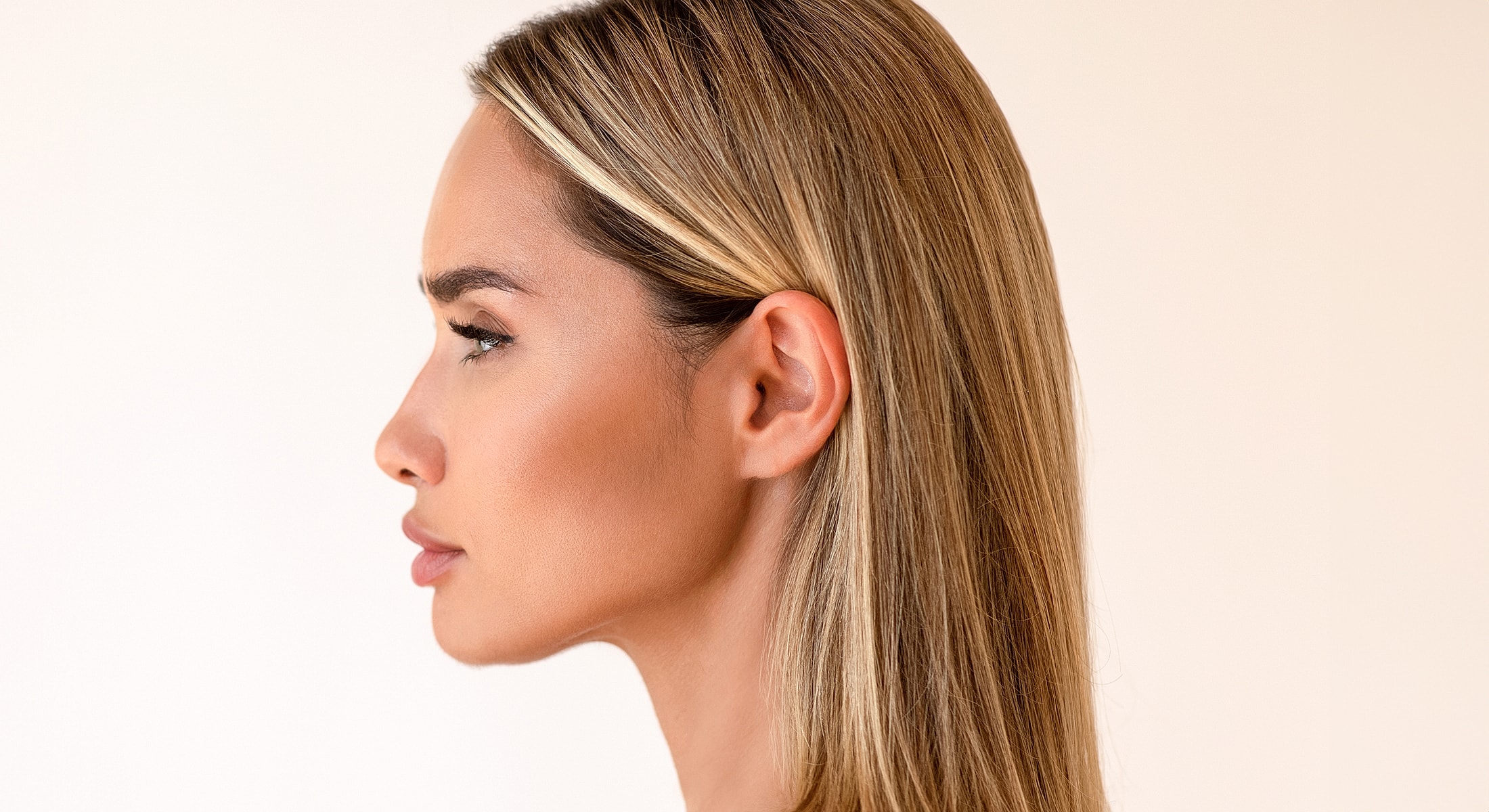
Dermabrasion is the process of mechanically scraping off the top layers of skin in order to smooth out skin irregularities and force the skin to regrow healthier, thicker collagen. When the top layer of the skin is removed it tends to regrow collagen more equally throughout, resulting in a smoother appearance.


Before & After

The strength of dermabrasion is to help smooth out skin, but it also does a very good job of creating a healthier, glowing skin. The reason for this is that when the skin is reforming it grows back with a better blood supply. Babies have a tremendous blood supply to their skin. This is why their skin appears so healthy.


A further advantage of dermabrasion is that it tends to shrink pore size. This may be due to realignment of the collagen fibers within the dermis.


Dermabrasion is usually performed on the face and often combined with other procedures but can be done alone. It is helpful to transplant fat underneath the scar to efface the scar and then dermabrade over it. This is the best treatment we have for acne scar treatment. Another use of dermabrasion with or without a fat transplantation is to reduce the wrinkles around the mouth seen primarily with aging.


Dr. Cruise’s philosophy regarding Dermabrasion


As pointed out in benefits section the best purpose for dermabrasion is to smooth down irregular skin problems. It is true it can be used for facial rejuvenation but, in general, I prefer chemical peeling or laser skin resurfacing for this.


Dermabrasion is probably the best modality for smoothing out deeply pitted acne scars. It will not get rid of the scar completely but it certainly will improve it and it can be repeated if necessary. If an acne scar is very deep it is best to surgically cut it out and meticulously suture back the normal margins. Then, at a later date dermabrade the entire area for the best result.


An exciting advance in depressed scar repair is the combination of fat transplantation to pop the scar up and then to dermabrade the entire area. This, in combination, is the best treatment modality.


Sometimes, the best way to correct unfavorable scars is to cut them out and repair them as meticulously as possible. Then, if necessary, dermabrade the entire area. A consultation is necessary to see what treatment is best for you.


Benefits


The most significant benefit of dermabrasion is that it allows the plastic surgeon the ability to mechanically smooth out the face of someone with skin irregularities. Here is a summary:


  • Creates smoother, healthier skin.
  • The new skin is better vascularized and has a more youthful glow.
  • Very helpful with acne scars and deep pitting scars.
  • Very useful to flatten out old scars that are either depressed or elevated.
  • Improves sun damaged skin.
  • Can be done in conjunction with other cosmetic procedures.


Possible complications


Dr. Cruise has extensive experience with dermabrasion through his work with treating burn victims. Still, complications must be discussed The most common complication after dermabrasion is inadequate improvement of the scar. One must be realistic about what dermabrasion can do. It is not likely to completely remove the scar but it will improve it. Other possible complications are permanent scarring if the abrasion is done too deep. Also possible are hyper- and hypopigmentation, prolonged redness, and possibly of reactivation of herpes if you had that in the past. Dr. Cruise will discuss possible complications with you during your consultation.


Are you a good candidate?


The best candidates for dermabrasion are people who have skin irregularities either from acne, healed cuts, or any other process that has left a mark on the skin that is either sunken in or elevated.


Dermabrasion also has many positive effects on skin rejuvenation but it is probably not the modality of choice. Chemical peeling and laser are used more extensively for this purpose.


You must understand if you are considering dermabrasion that the area dermabraded will look quite unpresentable until it heals, which will take 7 to 14 days. Even after it heals it will be quite red for a about another 6 weeks. It may take up to 1 year before the pinkness is completely gone


People who have been on the drug Accutane should not have dermabrasion within a two-year period of taking the medication. This drug can cause serious healing problems associated with dermabrasion.


Do’s and Dont’s prior to surgery


Dermabrasion, by itself, does not require significant preoperative planning. Dr. Cruise, however, does have a skin treatment protocol he uses prior to dermabrasion much like he uses prior to chemical peeling and laser skin resurfacing. This protocol involves Retin-A, glycolic acid, and the use of Valtrex. This will be discussed prior to the procedure.


  • Medications. Certain medications thin your blood and should not be taken within 3 weeks of surgery. The most notable is aspirin and aspirin containing products. Vitamin E and many herbal products also thin the blood and should not be used within 3 weeks of surgery. Dr. Cruise will go over this more thoroughly prior to the procedure.
  •  

  • Washing. It is a good idea to wash the area to be dermabraded thoroughly the morning of the procedure. Do not apply makeup and style your hair so that it stays back and out of the way.
  •  

  • State of mind. Remember, this should be a happy and exciting time. A certain amount of nervousness is normal but you should not be overly concerned. Dr. Cruise and ICRS are both well trained and experienced. Excessive worrying can actually be detrimental and you should discuss this with Dr. Cruise prior to surgery so that something can be prescribed to make sure you remain calm.


Anesthesia


ICRS only uses board certified anesthesiologists to make sure you have the best anesthesia possible. The anesthesiologist will discuss with you what type of anesthesia is best for you. He/she will take into consideration your medical history, the procedure, and your personal wishes.


Dermabrasion can be done under either local or general anesthesia.


After the procedure


The procedure itself will take about 1 hour.


Immediately. Right after dermabrasion the local anesthesia will provide excellent pain management. You can go home immediately. Keep in mind, however, that your face will look quite unpresentable for approximately 1 week. Keep your head elevated to reduce swelling. It is important that someone else drives you home and that you wear a hat to protect your face from sunlight. An antibiotic cream will be applied to the dermabraded area. It is important that you keep reapplying this so that the skin does not dry out. Apply only a thin layer.


First 48 hours. You can shower, eat, and do just about whatever you would like as long as you keep your head elevated and away from sunlight and dirt. Keep reapplying the antibiotic cream as necessary.


First week. And about 7 to 10 days after the procedure your skin will have repaired itself revealing the new skin underneath. Your face will be pink for at least 6 weeks with the first 2 weeks being more red than pink.


Recovery time


Typically, patients return to work within 10 to 14 days.


Joseph T. Cruise, M.D.
Board Certified Newport Beach Plastic Surgeon

2081 San Joaquin Hills Road
Newport Beach, CA 92660
949-644-4808
info@cruiseplasticsurgery.com


Overview | Contact | Location | FAQ | Pricing
Before & After | Face | Body | Breast | Other | Testimonials
Cosmetic Surgery Site Index | Cosmetic Surgery Resources | Orange County Plastic Surgeon Home
Cosmetic Plastic Surgery Procedures at a Glance
Breast Augmentation FAQ’s