
Nose Surgery Rhinoplasty Anatomy
Nose Anatomy
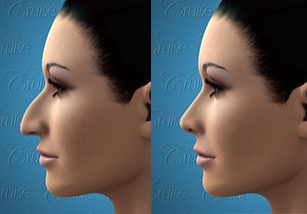
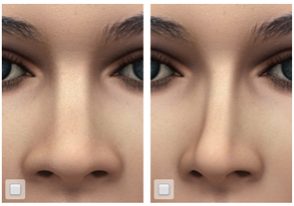
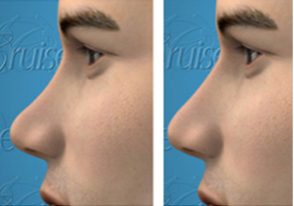
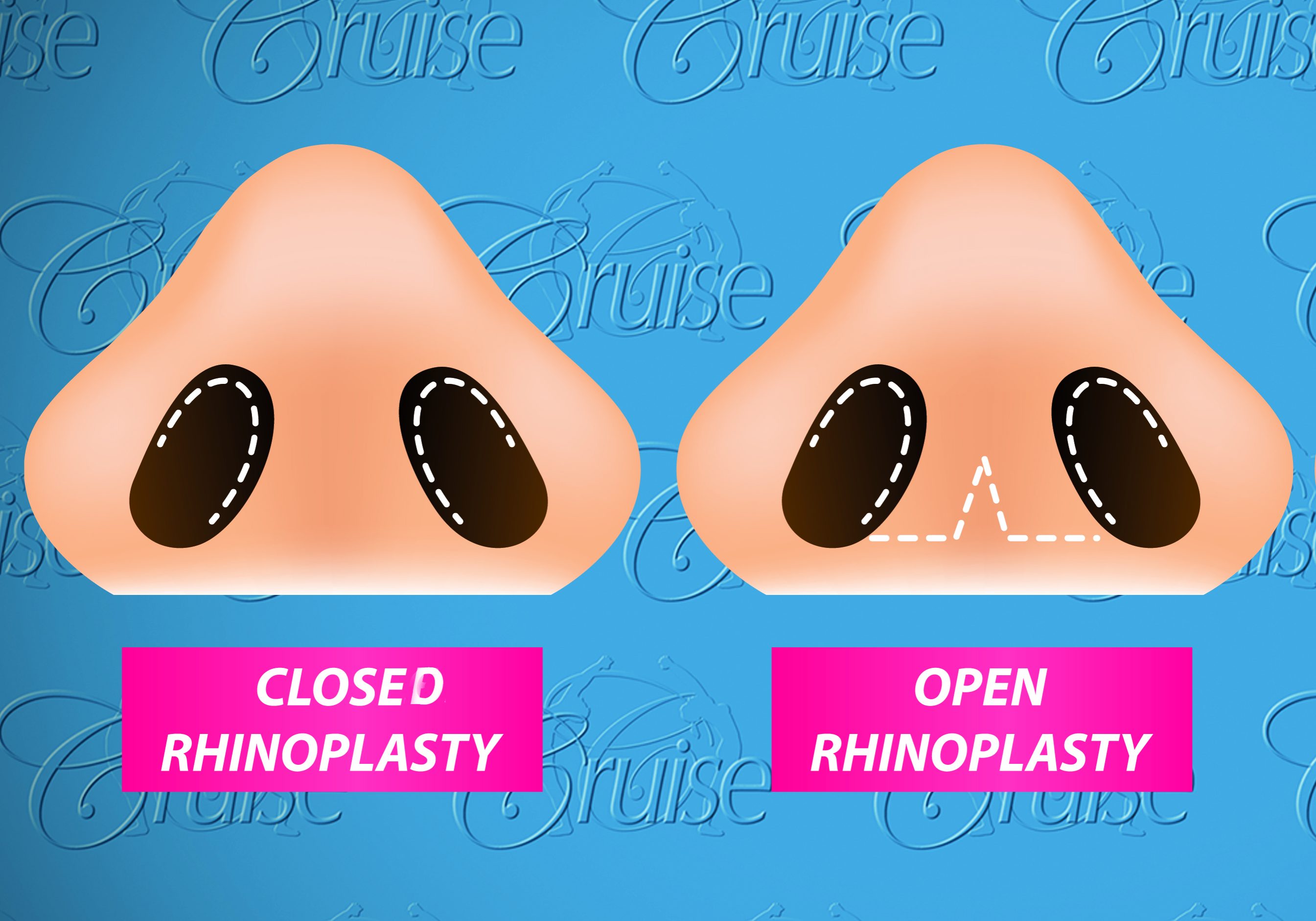
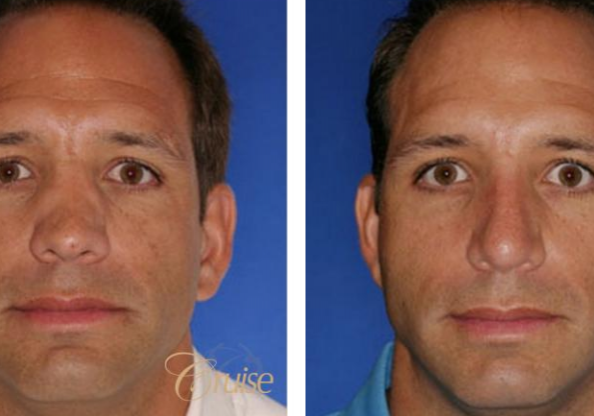



Rhinoplasty is perhaps the most technically challenging procedure in plastic surgery for a variety of reasons. There are many variables that must be taken into consideration. Each nose is dramatically different and, hence, requires different techniques to obtain the desired result. For these reasons it is critical that you make sure your rhinoplasty surgeon has a clear understanding of what you want to accomplish, along with the experience necessary to successfully execute your procedure.
The purpose of this overview is to educate so that you have a working knowledge of what defines an attractive nose. Furthermore, it describes in easy to understand terms what are the most common problems seen with nose surgery and how they are normally treated.
My recommendation is to read along and identify what your concerns are with your nose. It is important to understand the basic anatomy and be able to clearly point out what you would like to achieve with nose surgery.
The treatment plans I have defined are representative of how I normally address the area of concern. Other surgeons may have a different approach or technique.
Rhinoplasty is a learned art and science requiring technical skill above and beyond most other cosmetic surgical procedures. Experience is paramount. Choose your surgeon wisely. Great care needs to be taken to avoid the need for a revision rhinoplasty. Secondary surgery can be quite complicated and unpredictable.
"Re-operating on a nose is considerably more difficult than getting it right the first time." Joseph T Cruise, MD.
Basic Nose Anatomy
This overview is divided into six major sections.
- Basic Anatomy
- Dorsum
- Deviated Nose
- Tip
- Alae
- Airway Obstruction
As you start your rhinoplasty journey it is important to have a basic understanding of the anatomy of the nose. Knowing this will allow you to more accurately describe what you want to change to your rhinoplasty surgeon.
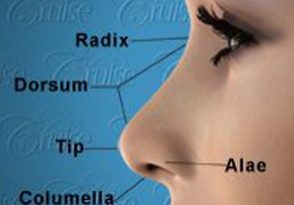
Important visible anatomy
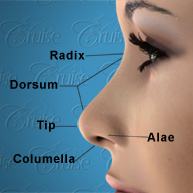
Radix
The radix is the deepest part of the nose. It separates the nose from the forehead. Typically, it is at the level of the pupil.
Dorsum
The dorsum runs from the radix to the tip; it is often called the "bridge" of the nose.
Issues with the dorsum, or bridge of the nose, is the most common reason that individuals pursue rhinoplasty surgery.
Dorsal issues and treatment options.
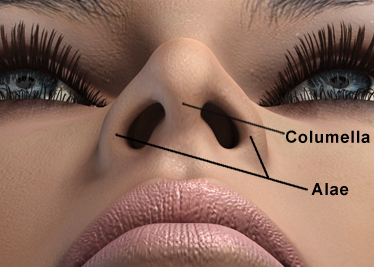
The most important anatomy for you to know when looking from below (worm's eye view) is the columella and the alae.
Columella
Columella in Latin means "small column". This is exactly what it looks like. It is a column between the two nostrils. Underneath the skin of the columella is the medial crura of the alar cartilages (See below).
Alae
Alae in Latin means "wings". While the columella provides the inside support to the nostril, the alae provide the outside support. Underneath the skin of the alae is the lateral crura of the alar cartilages (See below).
Nostril issues and treatment options
Important internal anatomy
Below is the anatomy with the skin and soft tissues removed revealing the bones and the cartilages.

The length of the nose can be divided into thirds. The upper third is composed of the nasal bones. The middle third is composed of the upper lateral cartilages; and the lower third is the tip, which is composed of the alar cartilages.
Nasal bones
The nasal bones are a pair of relatively weak bones that make up the "bridge" of the nose. These bones are often repositioned during a rhinoplasty.
Deviated nasal bones and treatment issues
Upper lateral cartilages (ULC)
The ULC make up the middle third of the nose. You can feel it on your own nose when the nasal bones end and the ULC begin. It goes from a hard bony feel to a soft, spongy feel.
The ULC are primarily responsible for keeping the airway open. Weak ULC will create a "pinched" look in addition to causing airway problems.
Alar cartilages
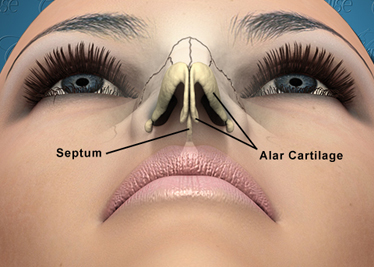
The alar cartilages give support to the tip. This tip support is critical and has a tremendous impact on the look and shape of the tip. Rhinoplasty often involves adjusting their shape and size.
Tip issues and treatment options
Septum
The septum is much like a wall that separates the right and left side of the nose. It is the primary support structure of the nose. A common issue most people have heard of is "deviated septum." Structural issues with the septum can cause one or both sides to be affected.
Septum issues and treatment options
Airway obstruction causes and treatment options

 (949) 446-1421
